
DEPO-PROVERA BRAIN TUMOR LAWSUIT
MDL-3140 IN RE: Depo-Provera (Depot Medroxyprogesterone Acetate) Products Liability Litigation)
Were you diagnosed with a brain tumor after receiving Depo-Provera injections for more than one year?
You may be eligible for compensation
- Written By Attorney Troy Bouk
We are no longer accepting
new Depo-Provera Cases.
Depo-Provera Lawsuit Info On This Page...
Depo-Provera is a prescription birth control injection administered at regular intervals, usually every three months.
Recent research suggests that women who use Depo-Provera for more than one year may face a higher risk of developing a meningioma brain tumor.
The multidistrict litigation is moving forward, and filing deadlines may apply. It is important to understand your legal rights as early as possible. If you or a loved one may have been affected, submit the form on this page for a free case review.
Latest Case Updates
- 5,830 actions now pending in MDL-3140.
- FDA required a meningioma warning on Depo-Provera labeling.
- Federal cases were consolidated into MDL-3140.
Do You Qualify for a Depo-Provera Lawsuit?
You may be eligible to file a Depo-Provera lawsuit if you:
- Received at least four injections of Depo-Provera or Depo SubQ Provera
- Were later diagnosed with a meningioma tumor
Qualifying Injuries Include:
- The Plaintiff has been diagnosed with one of the following types of meningiomas:
- Meningioma,
- Intracranial meningioma,
- Intercranial meningioma,
- Cranial meningioma,
- Brain meningioma,
- Meninges tumor,
- Arachnoid tumor (but not arachnoid cyst),
- Convexity meningioma,
- Falcine meningioma,
- Parasagittal meningioma,
- Intraventricular meningioma,
- Skull base meningioma,
- Sphenoid wing meningioma,
- Olfactory groove meningioma,
- Posterior fossa/petrous meningioma,
- Suprasellar meningioma,
- Recurrent meningioma,
- Foramen magnum meningioma,
- Meningothelial meningioma,
- Fibrous meningioma,
- Psammomatous meningioma,
- Angiomatous meningioma,
- and/or Secretory meningioma.
Qualifying Products Include:
The Plaintiff was injected with any of the following products containing Medroxyprogesterone Acetate (MPA).
- Depo Provera
- Depo-Provera
- DPCI
- Depo Provera IM
- DMPA
- Depot medroxyprogesterone acetate
- Medroxyprogesterone Acetate
- MPA
- IM MPA
- Depo-SubQ Provera 104
- Greenstone Medroxyprogesterone
- Greenstone MPA
- Prasco Medroxyprogesterone
- and/or Prasco MPA
If you or a loved one developed a meningioma tumor following Depo-Provera use, you may have a valid claim.
Bouk Law is reviewing Depo-Provera injury cases nationwide. You will not pay any fees or costs unless we win your case. Complete the contact form or call us today for a free consultation.
What are Meningiomas Symptoms?
Meningioma brain tumors can cause a wide range of symptoms depending on their size and location. Common symptoms may include:
- Vision problems such as blurred vision, double vision, or loss of peripheral vision
- Persistent headaches that worsen over time or are more severe in the morning
- Hearing loss or tinnitus, including ringing in the ears or reduced hearing
- Memory problems or difficulty concentrating
- Loss of smell or a decreased ability to detect odors
- Seizures with no prior history or clear explanation
- Weakness or numbness, particularly affecting one side of the body
- Speech difficulties, including trouble speaking, finding words, or understanding language
- Confusion, disorientation, or personality changes
- Balance and coordination problems, which may increase the risk of falls
If you were diagnosed with a meningioma after using Depo-Provera, you may have legal options. Contact Bouk Law today for a free, confidential case evaluation by calling our office or completing the form on this page. Our firm is actively reviewing Depo-Provera brain tumor claims nationwide.
Depo-Provera and Meningioma Risk: What Does the Research Show?
- A March 2024 study published in The BMJ found that Depo-Provera users were 5.55 times more likely to develop meningiomas than non-users.
- The synthetic hormone contained in Depo-Provera binds to brain tissue receptors, potentially triggering abnormal tumor growth.
Key Details from the Study:
- More than 108,000 women were included in the analysis through the French National Health Data System
- The study evaluated the relationship between progestin-only contraceptives and the risk of developing brain tumors.
- Researchers identified a significant association between Depo-Provera use and the diagnosis of meningioma.
As scientific research continues to examine the potential risks associated with Depo-Provera, more women who developed meningioma after using the drug are joining the MDL to pursue legal claims seeking compensation for their injuries and related damages.
Free Depo-Provera Lawsuit Evaluation
If you were diagnosed with a meningioma after receiving Depo-Provera injections, you may have legal options. Contact Bouk Law today for a free, confidential case evaluation by calling our office or completing the contact form on this page.
Who Is being Sued?
Current Depo-Provera lawsuits name several pharmaceutical companies as defendants, alleging they failed to properly research the drug’s long-term risks and withheld critical safety information from the public.
Named Defendants:
- Pfizer Inc.
- Pharmacia & Upjohn Co. LLC
- Pharmacia LLC
- Greenstone LLC
- Viatris Inc.
- Prasco, LLC (d/b/a Prasco Laboratories)
These manufacturers are accused of producing and distributing Depo-Provera and its generic equivalents without disclosing the elevated risk of meningioma and other brain tumors associated with prolonged use.
What Compensation Can You Receive?
Women diagnosed with meningioma or other serious injuries after using Depo-Provera may be entitled to financial compensation. The value of each claim depends on the specific circumstances of the case, including the severity of the injury, medical treatment required, and the impact on the individual’s life.
Compensation may be available for:
- Medical expenses – Hospitalization, surgery, medications, rehab, follow-ups
- Future medical needs – Lifelong care, specialist treatment, monitoring
- Lost wages – Income lost during treatment and monitoring
- Loss of earning capacity – Reduced ability to earn income
- Pain and suffering – Physical pain and reduced quality of life
- Emotional distress – Anxiety, PTSD, or depression from diagnosis
- Permanent disability – Cognitive impairment, neurological, or physical impairments
- Loss of enjoyment of life – Inability to participate in normal activities
- Punitive damages – Damages intended to punish wrongful conduct
- Out-of-pocket expenses – Travel, medical equipment and related costs
Wrongful Death Claims:
Families who have lost a loved one due to a meningioma or other serious complications allegedly linked to Depo-Provera may also have the right to pursue a wrongful death claim. Depending on the circumstances, recoverable damages may include:
- Funeral and burial expenses
- Loss of financial support
- Loss of companionship, care, and guidance
- Other damages available under applicable state law
Learn About Your Legal Options – Don’t Wait to Act
How Much Does a Lawyer Cost?
At Bouk Law, we represent Depo-Provera clients on a contingency fee basis. That means:
- No upfront costs
- No legal fees unless we win your case
What You Get With Our Representation:
- You pay nothing unless we recover compensation for you
- Nationwide support – We review and accept Depo-Provera claims from clients across the United States
- Access to experienced legal advocates – Regardless of your financial situation
We believe every woman harmed by Depo-Provera deserves access to compensation.
How to Get Started – Fast and Free
Step 1: Submit Your Contact Form
Tell us about your Depo-Provera use and diagnosis.
Step 2: Free Case Review
We’ll assess your claim and explain your rights.
Step 3: No Obligation to Proceed
You decide whether to move forward. We’re here when you’re ready.
If you believe Depo-Provera caused your brain tumor or neurological injury, don’t wait.
Why Choose Bouk Law?
✅ We handle mass tort claims nationwide
✅ You speak directly with an experienced attorney
✅ You pay nothing unless we recover compensation
✅ We treat every case with care and urgency
A CLOSER LOOK AT DEPO-PROVERA
Learn how this contraceptive injection works, its medical history, and the risks now linked to brain tumor lawsuits.
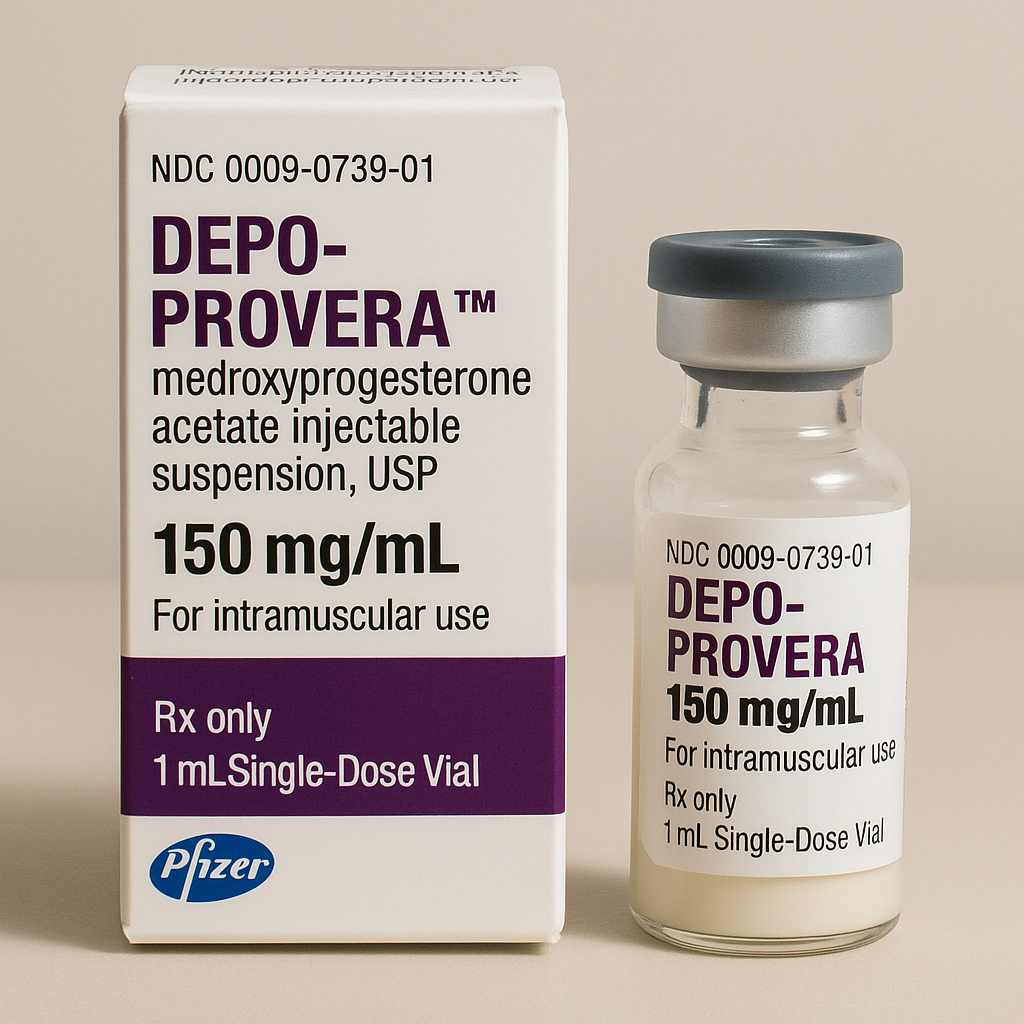
What Is The History of Depo-Provera?
Depo-Provera is a hormonal contraceptive injection first approved by the FDA in 1992. It contains medroxyprogesterone acetate, a synthetic form of the hormone progesterone, which works by:
- Suppressing ovulation
- Thickening cervical mucus to prevent sperm from reaching the egg
- Thinning the uterine lining to prevent implantation
The injection is typically administered once every 12 weeks and has been promoted as a convenient, long-lasting birth control option.
With an estimated 70 million women worldwide having used Depo-Provera, the drug’s safety profile has come under renewed scrutiny following studies linking long-term use to increased risk of brain tumors.
If you’ve received multiple Depo-Provera injections and were later diagnosed with a brain tumor, you may be entitled to compensation.
Call Bouk Law, PLLC or complete the contact form for a free, no-obligation consultation today.
How Does Depo-Provera Work?
Depo-Provera is a long-acting hormonal contraceptive that prevents pregnancy through multiple mechanisms. Once injected, the medication delivers medroxyprogesterone acetate, which works by:
- Inhibiting ovulation, preventing the release of an egg from the ovaries
- Thickening cervical mucus, making it harder for sperm to reach the uterus
- Thinning the uterine lining, reducing the likelihood of implantation
- Decreasing sperm penetration and function within the reproductive tract
These combined effects make Depo-Provera one of the most effective injectable contraceptives when administered on schedule.
Why Is Depo-Provera Prescribed?
While best known as a birth control method, Depo-Provera is also prescribed for various medical conditions, including:
- Menstrual disorders, such as heavy or irregular bleeding
- Chronic pelvic pain, often associated with endometriosis
- Prevention of ovarian cyst recurrence
- Hormone replacement therapy in certain cases
- Treatment of hirsutism (excessive hair growth)
- Reduction of endometrial cancer risk
- Management of specific hormone-sensitive cancers
Its long-acting formulation made it a popular option for patients seeking convenience and relief from hormone-related symptoms—but the long-term risks are now being questioned.
What Is a Meningioma?
Meningiomas are tumors that develop in the meninges, the protective layers surrounding the brain and spinal cord. While often benign, these tumors can still cause serious health issues depending on their size and location.
Meningioma Classifications:
- Grade I – Slow-growing and typically benign (accounting for roughly 80% of cases)
- Grade II – Atypical tumors that grow faster and may recur
- Grade III – Malignant and aggressive, with a high risk of spreading
Even Grade I meningiomas can lead to vision loss, seizures, and neurological deficits, particularly when located near sensitive brain structures.
Can Depo-Provera Cause Meningioma Brain Tumors?
Scientific research shows that medroxyprogesterone acetate, the synthetic hormone in Depo-Provera, can bind to progesterone receptors in brain tissue—specifically in the meninges.
This binding is believed to stimulate abnormal cell growth, potentially triggering the formation of meningiomas over time.
The longer Depo-Provera is used, especially beyond one year, the more significant the exposure to this hormonal activity—raising the risk of tumor development.
Depo-Provera Side Effects
While the primary concern in current lawsuits is the risk of brain tumors, Depo-Provera has been linked to a wide range of side effects—some common and temporary, others serious and potentially long-lasting.
Common Side Effects of Depo-Provera:
- Changes in menstrual cycles – Irregular bleeding, heavier or lighter periods, or complete cessation of menstruation
- Weight gain – Gradual or significant increase in body weight
- Headaches – Including worsening of existing migraines
- Mood changes – Depression, mood swings, anxiety, or irritability
- Decreased libido – Lower sexual desire or performance
- Breast tenderness – Pain, swelling, or sensitivity
- Delayed return to fertility – It may take 6 to 18 months after stopping the shot to become pregnant
Less Common but Serious Side Effects:
- Bone density loss – Long-term use may lead to osteoporosis or fractures; the FDA advises limiting use to no more than two years unless absolutely necessary
- Nausea and bloating – Digestive discomfort or distention
- Hair changes – Thinning hair, hair loss (alopecia), or unwanted hair growth (hirsutism)
- Skin reactions – Acne, rashes, or pigmentation changes
- Allergic reactions – Swelling, hives, itching, or breathing difficulties
- Injection site issues – Pain, redness, or swelling where the shot was given
Any woman experiencing persistent or worsening symptoms should consult a healthcare provider promptly. These side effects can be early indicators of larger health risks now being investigated in federal litigation.
Pseudotumor Cerebri Side Effects from Depo-Provera
In rare cases, Depo-Provera has been linked to a serious neurological condition known as pseudotumor cerebri (PTC), or idiopathic intracranial hypertension (IIH).
This condition mimics the symptoms of a brain tumor, even though no tumor is present. It involves increased pressure within the skull, often leading to headaches and vision problems.
Symptoms of Pseudotumor Cerebri:
- Severe, persistent headaches – Often throbbing or pressure-like
- Vision disturbances – Blurred vision, double vision, or temporary vision loss
- Nausea and vomiting – Associated with intracranial pressure buildup
- Tinnitus – Ringing or pulsing sound in the ears, sometimes matching the heartbeat
Treatment Options May Include:
- Medication – Diuretics like acetazolamide to reduce fluid pressure
- Lumbar punctures – Spinal taps to relieve excess cerebrospinal fluid
- Surgical shunt placement – In severe or unresponsive cases
PTC can lead to permanent vision loss if left untreated. Women currently or previously on Depo-Provera who experience these symptoms should seek medical attention immediately.
Experiencing Severe Side Effects from Depo-Provera?
If you were diagnosed with pseudotumor cerebri, meningioma, or another serious condition after using Depo-Provera, you may be eligible for legal compensation.
Contact Bouk Law today to schedule your free case evaluation.